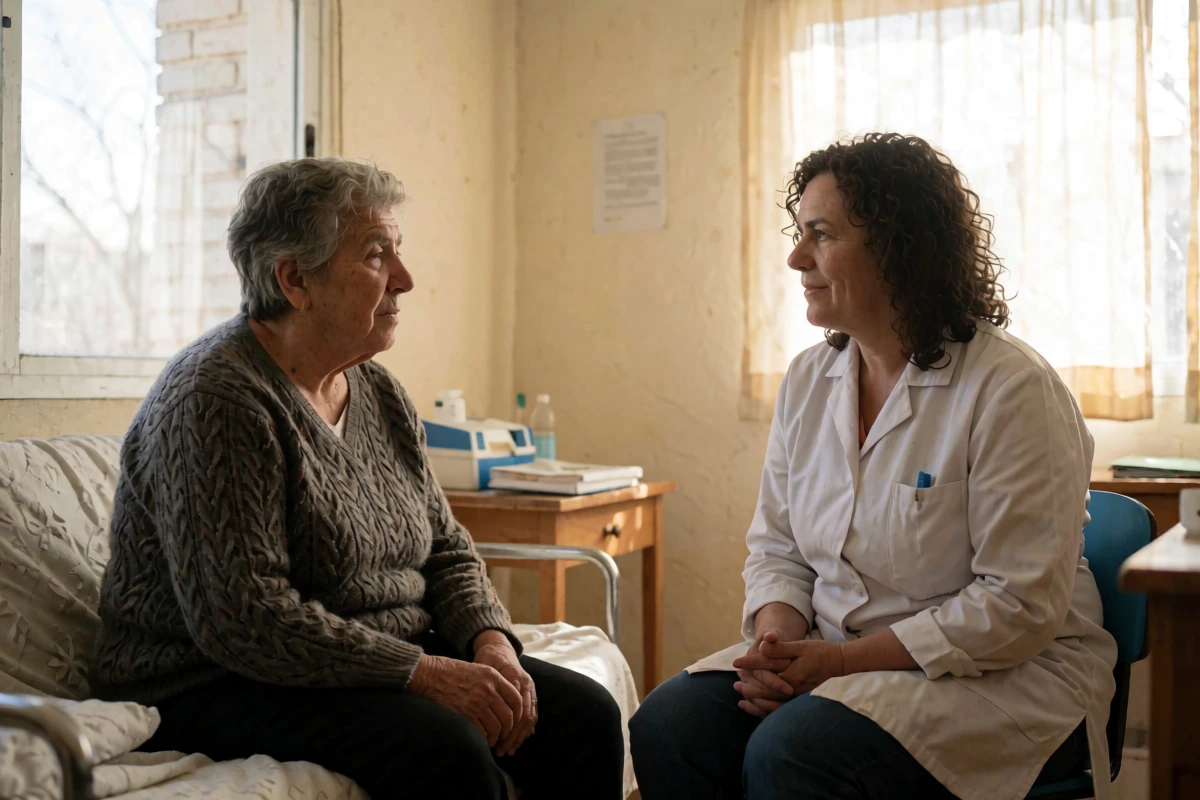
Map care that cannot pause
List routine appointments, medicines, tests, treatment plans, mental-health support, and urgent-care risks before leaving Canada. Ask each clinician what summary and recent results a new Argentine provider needs.
Use generic medicine names and record allergies, doses, and emergency instructions. Ask the Canadian province, insurer, employer, and Argentine provider separate questions because their coverage rules differ.
Arrange the handoff
Request records in a format you can carry and protect, then identify clinics or insurers in the city where you will live. Ask whether a Canadian prescription is usable locally and how a refill works. Keep enough supply for travel only within the limits confirmed by your clinician and the relevant authorities.
A health plan should work if a phone is lost or an appointment moves. Carry printed emergency information, clinician contacts, and policy numbers. Store digital backups securely and do not place sensitive records in a public rental or travel folder.
Separate urgent and routine care
Find the local urgent-care route before you need it and confirm how payment, interpretation, and transport work. Then schedule routine care and specialist follow-up after arrival. A private provider's availability may affect city choice, housing, and the size of the first-month reserve.
Ask an insurer about exclusions, pre-existing conditions, waiting periods, payment, and claims. Do not infer coverage from a residence application, DNI, or a general health portal. Keep the exact policy and provider terms.
Continuity
Ask your Canadian provider and intended Argentine clinic or insurer what is covered during travel, arrival, and longer residence. Put the replies beside your medication and record checklist.
Health coverage and medicine rules can change, and individual care needs require clinical advice. Recheck travel guidance and provider terms before departure, especially if treatment or pregnancy is involved.
Give the next clinician a usable summary
A concise history should name diagnoses, medicines, allergies, surgeries, tests, and the question that needs follow-up. Ask the Canadian clinician what must be translated and what can remain in the original language.
Protect the summary and update it after a major change. Do not assume a provider can retrieve a Canadian record after arrival or that an insurer will pay for the transfer.
Reopen the care plan
Review coverage, provider contacts, medicines, and emergency instructions after arrival and after any treatment change.
Do not wait for a crisis to discover that a Canadian plan ended.
A public source can identify a health system, but your clinician and insurer must answer your personal treatment and coverage questions. Recheck the handoff when a provider, prescription, residence stage, or city changes. Keep urgent information ready for someone else to use.
Update the emergency card after a new clinician, medicine, or insurer is chosen. Give the next provider a dated summary and keep the Canadian and Argentine coverage terms in separate records.
The practical choice
Before leaving Canada, ask your current clinicians and insurer how records, prescriptions, refills, and coverage work during travel and after a move. In Argentina, identify local care options and the emergency route for your city. Canadian provincial coverage, private insurance, Argentine public services, and private plans are separate systems, so confirm each one directly.
What to test in the real setting
- Map care that cannot pause
- Request clinical records
- Check coverage by stage
- Keep urgent information accessible
Keep this information within reach
- Medication and allergy list
- Clinical summary and tests
- Insurance and claims contacts
- Emergency and provider details
What the first weeks can, and cannot, prove
Continuity starts with the care that cannot quietly pause. List medicines, doses, allergies, tests, appointments, treatment summaries, mental-health support, and urgent-care instructions before the move. Ask Canadian clinicians for the records a new provider can use and ask the insurer what applies during travel, transition, and longer residence. In Argentina, identify a local routine provider and the emergency route for the city you are considering. Public services, private plans, travel coverage, and Canadian provincial arrangements answer different questions; write the answer, contact, and date beside each rather than treating a general residence document as health coverage.
Provincial coverage, travel insurance, Argentine services, medicines, and provider availability can change. Confirm the terms for each stage.
Sources for this decision
- Health care in CanadaGovernment of CanadaOpen official source
- Ministry of Health information portalArgentina.gob.arOpen official source
- Travel advice and advisories for ArgentinaGovernment of CanadaOpen official source
Questions worth resolving
Will Canadian provincial coverage pay in Argentina?
Ask the responsible province or territory and insurer about your service and circumstances.
Can I use a Canadian prescription there?
Check Argentine prescribing and import rules and ask a local clinician or pharmacy about the medicine.